
Physiotherapy Care For Hip Pain
- HCPC-registered
- Same-week slots
- No GP referral

Hip ache can disrupt far more than your hip.
Maybe covering any real distance feels unpleasant, extended sitting proves agonising or climbing inside and outside vehicles seems daunting.
Hip complaints manifest differently between sufferers. Whatever troubles you, grasping those warning signals comes first.
- Full assessment
- Hands-on treatment
- Digital notes
- Exercise plan to phone
- Follow-up advice
- Shared record (any clinic)
Groin soreness
Throbbing across frontal hip or groin, commonly aggravated through strolling, stairways or pivoting.
Lateral hip soreness
Sensitivity across outer hip, occasionally ruining slumber whenever resting upon that flank.
Buttock soreness
Profound throbbing within buttocks potentially radiating toward thighs.
Post-sitting rigidity
Tautness upon standing after seated spells, loosening once motion resumes.
Snapping or grinding
Popping, snagging or wobbly sensations deep inside hip articulation.
Athletic hip soreness
Trouble amid or following sprinting, football, workouts or dance pursuits.
Limping while strolling
Needing to hobble or abbreviate stride owing to hip trouble.
Returning hip soreness
Ache subsiding through rest yet flaring again once activity resumes.
Hip disorders our clinicians routinely manage
Hip soreness varies considerably. Articulations, tendons, bursae, musculature or spinal referral may combine.
Our clinicians appraise your presentation then construct an appropriate management strategy around personal needs.
We regularly evaluate plus treat individuals reporting:
- Hip wear-and-tear complaints
- Trochanteric ache syndrome
- Hip flexor sensitivity
- Gluteal tendinitis
- Hip bursitis-style complaints
- Muscular pulls around hip girdle
- Athletic hip plus groin strains
- Hip ache after tumbles or impact
- Spinal referral toward hip region
- Stubborn or repeat hip soreness
- Deconditioning-linked hip tightness
- Post-operative hip rehabilitation, where suitable
Not sure whether physiotherapy is right for your symptoms?
Our team can help you understand whether an appointment is appropriate.
What happens during your first physiotherapy appointment?
Your opening visit examines hip complaints, spotlights likely aggravating elements and settles upon sensible future actions.
- 01 — We listen We discuss complaints, onset, troublesome motions plus consequences for strolling, sitting and slumber.
- 02 — We assessYour clinician examines hip mobility, power, walking mechanics plus neighbouring lumbar and knee articulations.
-
03 — We commence careAccording to findings, therapy might involve manual methods, fortifying drills plus actionable counsel covering strolling, sitting and rest.
-
04 — You depart holding a strategyWe clarify results, outline management choices plus suggest routines sustaining improvement between sessions.
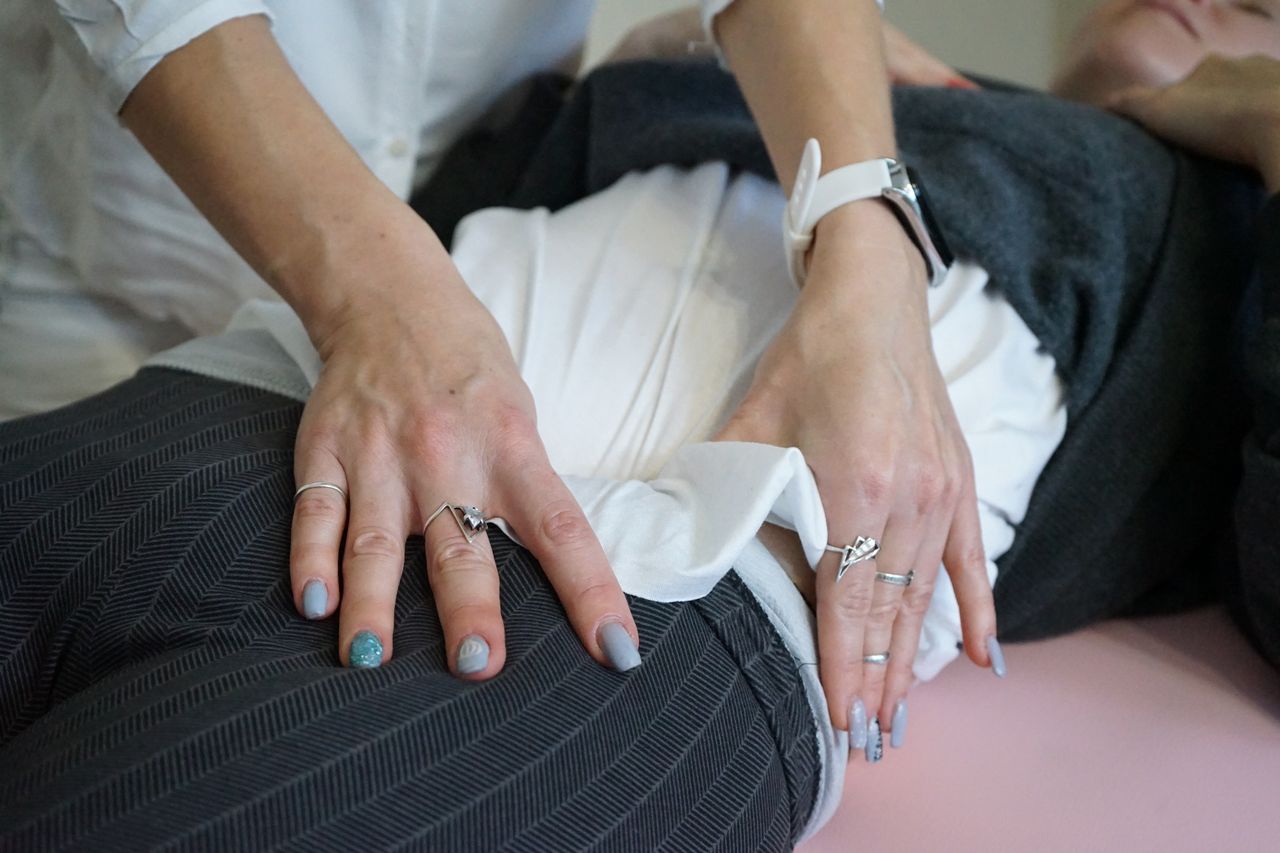
Therapy shaped around your hip, never generic routines.
No universal remedy fixes all forms of hip soreness.
Your clinician proposes a strategy reflecting complaints, examination results, ambitions plus present fitness level.
-
Manual physiotherapyWhen suitable, mobilisation plus hands-on methods can restore motion and lessen soreness.
-
Task plus posture coachingWe cover smarter approaches toward walking range, stairways, seated spells plus slumber postures.
-
Tailored rehabilitation drillsDrills develop hip, gluteal plus core power while supporting strolling and routine tasks.
-
Conditioning plus steadiness trainingProgressive fortifying plus equilibrium drills help restore self-belief and revisit meaningful pursuits with you.
We want you to grasp hip soreness, navigate motion confidently plus self-manage flare-ups autonomously.

A grounded route toward assured walking.
- ASSESSGrasp your complaints plus contributors behind your hip soreness.
- RELIEVEStrive toward easing tightness and encouraging comfortable strolling plus sitting.
- REBUILDSteadily grow hip, gluteal plus core power and movement command.
- RETURNAim to resume strolling, duties, workouts plus routine pursuits.
- MAINTAINEstablish lasting activity plus fortifying routines curbing future recurrences.
Different therapist. Same treatment plan.
Your physiotherapy shouldn’t become complicated just because you visit a different clinic or see another therapist.
Physio Central connects multiple clinic locations through one shared patient record.
Your assessment notes, treatment progress and relevant exercise information can follow you across our network.
-
Multiple London locationsChoose a convenient clinic location for your physiotherapy appointment.
-
One shared patient recordYour treatment information is recorded within our shared network, helping clinicians maintain continuity
-
Greater flexibilityNeed to visit a clinic closer to work this week and another closer to home next week? Our connected network makes this easier.
-
Consistent treatment approachYour physiotherapy can continue with another clinician without having to start your story from scratch.
Near work this week. Near home next week. Your treatment follows you.
When hip ache demands urgent emergency evaluation
Many hip complaints respond well to suitable clinical assistance. Certain warning signs nonetheless demand emergency review instead of standard physiotherapy booking.
Pursue immediate hospital review should you notice:
- Acute hip ache after tumbles or impact preventing weight-bearing.
- Abrupt, agonising hip ache alongside shortened or rotated limb following injury.
- Flushed, hot, distended hip articulation alongside feverish or generally unwell feelings.
- Fresh bladder or bowel control trouble accompanying spinal plus hip ache.
These symptoms can indicate a serious underlying condition that needs urgent investigation.
If you’re unsure whether physiotherapy is appropriate for your symptoms, contact us before booking.

Guiding patients toward assured, freer movement.
4.9/5
Hip-ache questions? Answered here.
Does physio ease hip soreness?
Certainly. Physiotherapy supports countless hip sufferers through better mobility, hip and gluteal power plus workable tactics for strolling, sitting and slumber. Your clinician evaluates your presentation then proposes an appropriate strategy.
Is arthritis causing my ache?
Hip ache stems from numerous origins and persistent trouble isn’t inevitably arthritis. Your clinician reviews complaints, mobility and history then advises whether deeper investigation suits you.
Must I undergo imaging before seeing a physiotherapist?
Generally no. Numerous hip complaints can first be evaluated through history and hands-on examination. Scans only follow when clinically justified.
Should sore hips avoid all walking?
Not necessarily. Suitable strolling often remains encouraged, tweaking distance, tempo or support aids whenever required. Your clinician recommends a feasible activity level.
Which clothes suit hip assessments?
Choose shorts or loose trousers alongside comfy footwear so clinicians can observe hip mobility and walking mechanics.
How many physio visits are needed?
That hinges upon complaint type, symptom duration plus therapeutic response. Your clinician outlines expectations following your evaluation.
Can months-old hip ache get assessed?
Absolutely. Long-running or intermittent hip soreness suits physiotherapy review. Assessment weighs complaints, health background, motion plus earlier care.
Is rehab available after hip operations?
Physiotherapy can complement healing after hip procedures. Yet management must respect your intervention, healing phase plus surgeon-imposed limitations. Please establish suitability ahead of scheduling.
Prepared to stride toward easier, freer movement?
No need to tolerate ongoing hip soreness or surrender strolling and routine independence.
Have complaints evaluated, learn management choices plus advance confidently alongside Physio Central.