
Physiotherapy Care For Mobility Issues
- HCPC-registered
- Same-week slots
- No GP referral

Mobility trouble impacts far more than walking.
Maybe your footing feels unreliable, stairways demand assistance or venturing outdoors erodes self-belief.
Movement difficulties manifest differently between sufferers. Whatever troubles you, grasping those support needs comes first.
- Full assessment
- Hands-on treatment
- Digital notes
- Exercise plan to phone
- Follow-up advice
- Shared record (any clinic)
Wobbly walking pattern
Feeling unstable or under-confident, especially outside or across bumpy terrain.
Stairway climbing trouble
Gripping rails, advancing single-file or shunning stairways entirely.
Rising with difficulty
Battling upright from armchairs, mattresses, lavatories or ground level.
Dreading a tumble
Curtailing outings or shunning excursions through anxiety about toppling.
Slower striding
Ambling gently, pausing frequently or leaning on support across once-manageable stretches.
Weakness plus rigidity
Limb feebleness or articular tautness complicating routine locomotion.
Balance wobbles
Struggling upright solo, pivoting briskly or coping amid bustling environments.
Outdoor confidence dip
Shunning transit, errands or gatherings owing to locomotion anxieties.
Movement difficulties our clinicians routinely assist
Movement difficulties vary considerably. Strength, equilibrium, articulations, self-belief or multiple elements may combine.
Our clinicians appraise your presentation then construct an appropriate management strategy around personal circumstances.
We regularly evaluate plus assist individuals reporting:
- Faded limb power and deconditioning
- Equilibrium disturbances
- Wobbliness during strolling
- Stairway plus incline struggles
- Articular tautness hampering motion
- Posture plus stride abnormalities
- Shaken confidence following a tumble
- Struggling upright from seats or mattresses
- Slower striding and faded stamina
- Age-linked locomotion shifts
- Mobility trouble tied to articular ache
- Post-illness or post-operative recovery, where suitable
Not sure whether physiotherapy is right for your symptoms?
Our team can help you understand whether an appointment is appropriate.
What happens during your first physiotherapy appointment?
Your opening visit examines locomotion troubles, spotlights likely aggravating elements and settles upon sensible future actions.
- 01 — We listen We discuss everyday routines, trickiest moments, tumbles or stumbles plus the independence you value most.
- 02 — We assessYour clinician reviews limb power, equilibrium, strolling, chair rises plus implicated articulation mobility, proceeding gently.
-
03 — We commence careAccording to findings, therapy might feature coached drills, equilibrium training, strolling rehearsal plus domestic safety counsel.
-
04 — You depart holding a strategyWe clarify results, outline management choices plus suggest routines and tactics protecting your autonomy.
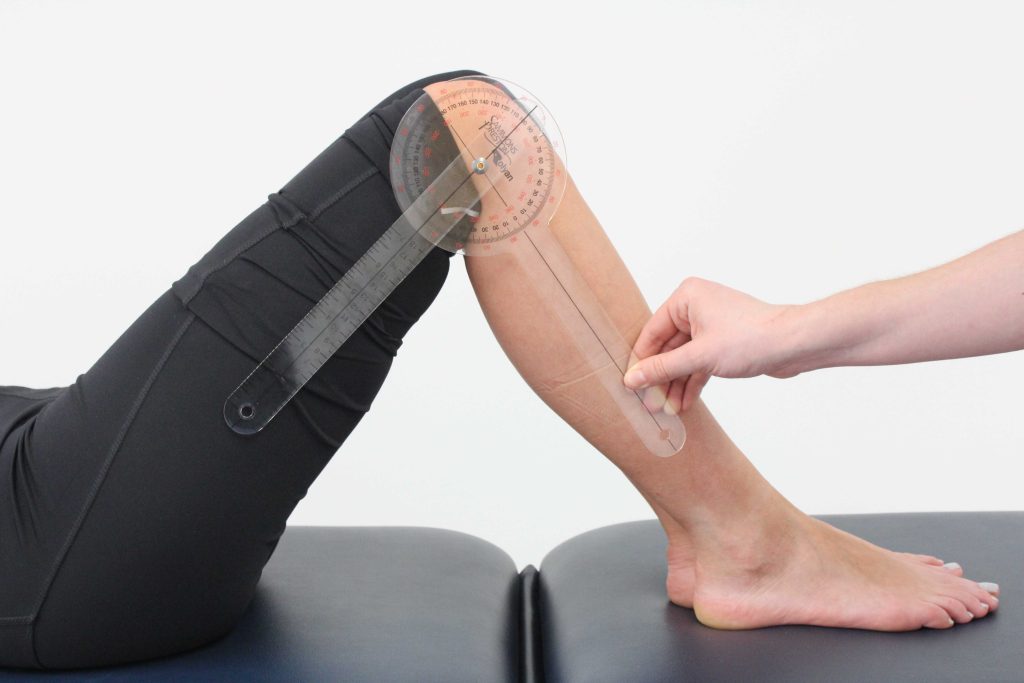
Therapy shaped around your autonomy, never generic routines.
No universal programme resolves all movement difficulties.
Your clinician proposes a strategy reflecting complaints, examination results, ambitions plus present fitness level.
-
Coached fortifying sessionsProgressive limb, core plus upper-body drills assisting upright posture, strolling and secure rises.
-
Equilibrium plus gait rehearsalHands-on steadiness coaching plus strolling practice, covering stairways and outside routes where feasible.
-
Tailored domestic programmesA home routine calibrated to capability, accompanied by straightforward smartphone guidance.
-
Self-belief plus routine counselGuidance around tempo, shoe choices, domestic arrangements plus effective support-aid handling where required.
We want you moving safer, growing limb power and equilibrium, plus preserving independence across meaningful everyday pursuits.
A grounded route toward self-reliant, mobile living.
- ASSESSGrasp your locomotion, power, equilibrium plus personal priorities.
- BUILDStrive toward limb power and assured chair rises.
- BALANCESteadily grow steadiness and poise upon feet.
- GET OUTAim toward extended strolls, stairway competence plus assured expeditions.
- MAINTAINEstablish lasting exercise practices preserving mobility plus self-reliance.
Different therapist. Same treatment plan.
Your physiotherapy shouldn’t become complicated just because you visit a different clinic or see another therapist.
Physio Central connects multiple clinic locations through one shared patient record.
Your assessment notes, treatment progress and relevant exercise information can follow you across our network.
-
Multiple London locationsChoose a convenient clinic location for your physiotherapy appointment.
-
One shared patient recordYour treatment information is recorded within our shared network, helping clinicians maintain continuity
-
Greater flexibilityNeed to visit a clinic closer to work this week and another closer to home next week? Our connected network makes this easier.
-
Consistent treatment approachYour physiotherapy can continue with another clinician without having to start your story from scratch.
Near work this week. Near home next week. Your treatment follows you.
When locomotion trouble demands urgent emergency evaluation
Many locomotion troubles suit standard clinical review. Certain warning signs nonetheless demand emergency assessment instead of routine physiotherapy visits.
Pursue immediate hospital review should you notice:
- Tumbles preventing weight-bearing, agonising ache or suspected bone break.
- Abrupt unilateral feebleness, drooping visage, slurred diction or sudden bewilderment.
- Chest ache, grave breathlessness or blackouts with locomotion trouble.
- Swiftly deepening delirium, pyrexia or inability to remain conscious.
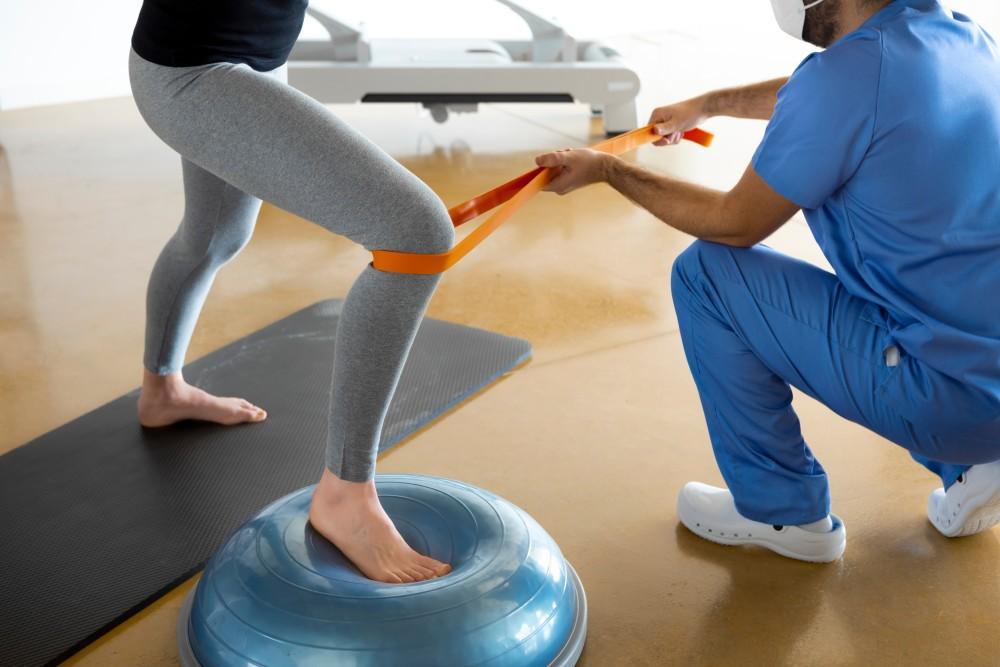
Guiding patients toward active, self-reliant living.
4.9/5
Mobility questions? Answered here.
Does physio assist balance issues?
Certainly. Physiotherapy supports countless locomotion sufferers through limb power, equilibrium, strolling confidence and autonomy across routines. Your clinician evaluates your presentation then proposes an appropriate strategy.
Must I stroll unaided before attending physio?
Certainly not. Attend using support aids and, where helpful, joined by relatives or carers. Mention beforehand if extra duration or step-free entry becomes necessary.
Can physio support post-fall recovery?
Physiotherapy can assist fall sufferers through power, steadiness and self-belief work, plus counsel trimming future topple hazards. Following fresh harm, secure proper medical review beforehand.
Will home drills be provided?
Absolutely. You depart carrying a bespoke domestic routine delivered toward your smartphone, featuring capability-matched drills plus explicit rehearsal frequencies.
What attire should I bring?
Choose comfy garments plus sturdy, level footwear. Transport customary support aids plus handy medication and history summaries.
How many sessions suit me?
That hinges upon locomotion needs, overall vitality plus therapeutic response. A handful of visits may suffice for some, while ongoing support benefits others.
May relatives join my session?
Absolutely. Relatives or carers can attend, contribute background plus reinforce domestic routines whenever appropriate.
Is rehab offered after hospital discharge?
Physiotherapy can support recuperation following sickness or operations, subject to medical counsel and healing phase. Please establish suitability ahead of scheduling and carry discharge paperwork along.
Prepared to stride toward assured, mobile living?
No need to accept fading mobility or let wobbliness curtail independence.
Have requirements evaluated, learn available choices plus advance confidently alongside Physio Central.