
Physiotherapy Care For Shoulder Pain
- HCPC-registered
- Same-week slots
- No GP referral

Shoulder ache can disrupt far more than your shoulder.
Maybe reaching top shelves stings, dressing proves awkward or dozing on the sore side feels impossible.
Shoulder complaints manifest differently between sufferers. Whatever troubles you, grasping those warning signals comes first.
- Full assessment
- Hands-on treatment
- Digital notes
- Exercise plan to phone
- Follow-up advice
- Shared record (any clinic)
Ache lifting your arm
Soreness or throbbing while stretching overhead, sideways or reaching behind your torso.
Night soreness
Shoulder throbbing interrupting slumber, especially while resting upon the tender side.
Cuff-style ache
Throbbing across outer shoulder or upper limb, commonly aggravated by carrying or repeated motion.
Rigidity plus frozen shoulder
Mounting tightness progressively curtailing motion across every direction.
Clicking or feebleness
Unstable, grinding or buckling sensations whenever operating your limb.
Sport-linked shoulder soreness
Trouble after throwing, swimming, racket games or resistance sessions.
Desk plus posture-driven tightness
Shoulder soreness connected to lengthy sitting or repetitive occupational movements.
Returning shoulder soreness
Ache subsiding temporarily yet flaring again through exertion or duties.
Shoulder disorders our clinicians routinely manage
Shoulder soreness varies considerably. Muscles, tendons, articulations, bursae or multiple tissues may combine.
Our clinicians appraise your presentation then construct an appropriate management strategy around personal needs.
We regularly evaluate plus treat individuals reporting:
- Cuff-linked shoulder soreness
- Shoulder impingement-style complaints
- Sticky capsulitis (frozen shoulder)
- Tendon sensitivity around shoulder girdle
- AC articulation shoulder soreness
- Muscular pulls around shoulder girdle
- Shoulder ache following tumbles or impact
- Athletic shoulder strains
- Posture-driven upper-back and shoulder ache
- Stubborn or repeat shoulder soreness
- Arthritis-driven shoulder rigidity
- Post-operative shoulder rehabilitation, where suitable
Not sure whether physiotherapy is right for your symptoms?
Our team can help you understand whether an appointment is appropriate.
What happens during your first physiotherapy appointment?
Your opening visit examines shoulder complaints, spotlights likely aggravating elements and settles upon sensible future actions.
- 01 — We listen We discuss complaints, onset, troublesome motions plus consequences for slumber, occupation and sporting life.
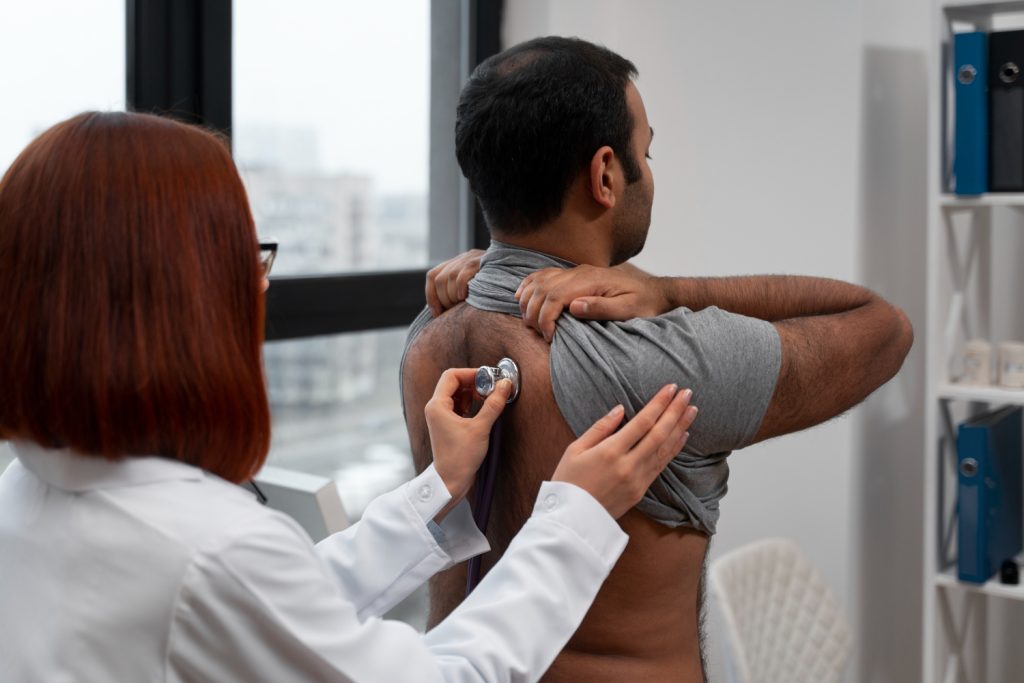
- 02 — We assessYour clinician examines shoulder mobility, power, cuff performance plus neighbouring cervical and thoracic articulations.
-
03 — We commence careAccording to findings, therapy might involve manual methods, graded fortifying plus actionable counsel covering tasks and rest.
-
04 — You depart holding a strategyWe clarify results, outline management choices plus suggest routines sustaining improvement between sessions.

Therapy shaped around your shoulder, never generic routines.
No universal remedy fixes all forms of shoulder soreness.
Your clinician proposes a strategy reflecting complaints, examination results, ambitions plus present fitness level.
-
Manual physiotherapyWhen suitable, mobilisation plus hands-on methods can restore motion and lessen soreness.
-
Task plus slumber coachingWe cover smarter approaches to overhead reach, carrying, duties plus restful slumber.
-
Tailored rehabilitation drillsDrills enhance suppleness, cuff and scapular power plus aid daily functioning.
-
Conditioning plus sporting readinessGradual resistance plus fortifying routines help restore self-belief and revisit gym, sports and hobbies.
We want you to grasp shoulder soreness, navigate motion confidently plus self-manage flare-ups autonomously.
A grounded route toward resilient shoulder power.
- ASSESSGrasp your complaints plus contributors behind your shoulder soreness.
- RELIEVEStrive toward easing tightness and encouraging comfortable shoulder motion.
- REBUILDSteadily grow suppleness, cuff plus scapular power.
- RETURNAim to resume duties, athletics, workouts plus routine hoisting.
- MAINTAINEstablish lasting fortifying routines curbing likelihood of future flare-ups.
Different therapist. Same treatment plan.
Your physiotherapy shouldn’t become complicated just because you visit a different clinic or see another therapist.
Physio Central connects multiple clinic locations through one shared patient record.
Your assessment notes, treatment progress and relevant exercise information can follow you across our network.
-
Multiple London locationsChoose a convenient clinic location for your physiotherapy appointment.
-
One shared patient recordYour treatment information is recorded within our shared network, helping clinicians maintain continuity
-
Greater flexibilityNeed to visit a clinic closer to work this week and another closer to home next week? Our connected network makes this easier.
-
Consistent treatment approachYour physiotherapy can continue with another clinician without having to start your story from scratch.
Near work this week. Near home next week. Your treatment follows you.
When shoulder ache demands urgent emergency evaluation
Many shoulder complaints respond well to suitable clinical assistance. Certain warning signs nonetheless demand emergency review instead of standard physiotherapy booking.
Pursue immediate hospital review should you notice:
- Acute shoulder ache after major impact, tumbles or joint displacement.
- Misshapen shoulder, frozen limb or swiftly ballooning localised swelling.
- Chest tightness, breathing difficulty or clamminess with arm ache.
- Feverish, flushed swollen articulation or generally feeling acutely ill with shoulder ache.
These symptoms can indicate a serious underlying condition that needs urgent investigation.
If you’re unsure whether physiotherapy is appropriate for your symptoms, contact us before booking.
Guiding patients toward assured, freer movement.
4.9/5
Shoulder-ache questions? Answered here.
Does physio ease shoulder soreness?
Certainly. Physiotherapy supports countless shoulder sufferers through better mobility, cuff and scapular power plus workable tactics for routines. Your clinician evaluates your presentation then proposes an appropriate strategy.
Must I undergo imaging before seeing a physiotherapist?
Generally no. Numerous shoulder complaints can first be evaluated through history and hands-on examination. Scans only follow when clinically justified.
Can frozen shoulder get better?
Physiotherapy can assist frozen-shoulder sufferers by preserving motion, prescribing stage-appropriate activity plus coaching pain control throughout each phase. Healing takes patience and clinicians explain anticipated milestones.
Should my sore shoulder stay still?
Total immobilisation rarely helps. Suitable, gentle motion is usually promoted, tailored to presentation. Your clinician recommends feasible tasks and temporary precautions.
Which tops suit shoulder assessments?
Choose sleeveless or loose garments exposing shoulders. Such attire lets clinicians observe scapular and glenohumeral motion. Athletic wear works best.
How many physio visits are needed?
That hinges upon complaint type, symptom duration plus therapeutic response. Minor niggles often settle within several appointments, whereas adhesive capsulitis can demand prolonged support.
Can months-old shoulder ache get assessed?
Absolutely. Long-running or intermittent shoulder soreness suits physiotherapy review. Assessment weighs complaints, health background, motion plus earlier care.
Is rehab available after shoulder operations?
Physiotherapy can complement healing after shoulder procedures. Yet management must respect your intervention, healing phase plus surgeon-imposed limitations. Please establish suitability ahead of scheduling.
Prepared to stride toward easier, freer movement?
No need to tolerate ongoing shoulder soreness or sacrifice restful nights, duties or athletics.
Have complaints evaluated, learn management choices plus advance confidently alongside Physio Central.