
Physiotherapy Care For Sporting Injuries
- HCPC-registered
- Same-week slots
- No GP referral

Sporting setbacks disrupt far more than your matches.
Maybe mid-season withdrawal stung, skipping group sessions frustrates you or premature comebacks threaten aggravation.
Athletic damage manifests differently between sufferers. Whatever troubles you, grasping that setback comes first.
- Full assessment
- Hands-on treatment
- Digital notes
- Exercise plan to phone
- Follow-up advice
- Shared record (any clinic)
Ankle twists
Ache, distension plus wobbliness after overturning ankles.
Runner's knee
Kneecap throbbing escalating through mileage or stairways.
Racket-elbow soreness
Inside or outside elbow throbbing with grasping, hoisting or racket disciplines.
Muscle tugs
Abrupt calf, hamstring, thigh or groin throbbing amid dashing or booting.
Heel-cord soreness
Dawn rigidity plus rear-heel throbbing with running.
Shin throbbing
Shinbone aching following workload escalation.
Overhead-athlete shoulders
Ache through hurling, swimming, overhead resistance or collisions.
Repeat setbacks
Identical damage reliably resurfacing every campaign.
Athletic damage our clinicians routinely manage
Athletic damage varies considerably. Muscles, tendons, ligaments, articulations or multiple tissues may combine.
Our clinicians appraise your damage, preparation burden plus ambitions, then construct an appropriate management strategy.
We regularly evaluate plus treat individuals reporting:
- Ankle twists plus wobbliness
- Runner's knee plus band ache
- Heel-cord plus kneecap irritation
- Calf, hamstring plus thigh pulls
- Racket plus golfer's elbow
- Shinbone-stress style complaints
- Overhead-athlete shoulder damage
- Groin ache across footballers plus sprinters
- Athletic spinal soreness
- Overload damage from burden spikes
- Stubborn or repeat athletic damage
- Post-operative athletic comebacks, where suitable
Not sure whether physiotherapy is right for your symptoms?
Our team can help you understand whether an appointment is appropriate.
What happens during your first physiotherapy appointment?
Your opening visit examines athletic damage, preparation history plus ambitions, then settles upon sensible future actions.
- 01 — We listen We discuss your discipline, preparation burden, damage mechanics plus comeback meaning — community jogs, competitions or lifetime bests.
- 02 — We assessYour clinician examines harmed tissues, power, motion, steadiness plus discipline-relevant actions like sprinting, leaping or hurling.
-
03 — We commence careAccording to findings, therapy might involve manual methods, progressive resistance plus actionable counsel covering preparation burden.
-
04 — You depart holding a strategyWe clarify results, establish comeback benchmarks plus prescribe programmes bridging treatment room toward pitch, circuit or court.
Therapy shaped around your discipline, never generic routines.
No universal remedy fixes all athletic damage.
Your clinician proposes a strategy reflecting damage, examination results, sporting pursuits plus performance ambitions.
-
Manual physiotherapyWhen suitable, manual plus soft-tissue methods can dull soreness and encourage initial motion.
-
Burden-control directionWe discuss preparation volume, intensity, shoe choices plus alternative conditioning preserving fitness throughout mending.
-
Tailored athletic programmesProgressive power, springiness plus equilibrium work calibrated toward damage phase and discipline demands.
-
Comeback readiness checksProgressive dashing, nimbleness, hopping plus discipline-specific exercises alongside transparent full-return benchmarks.
We want secure healing, restored capability plus assured competitive comebacks.
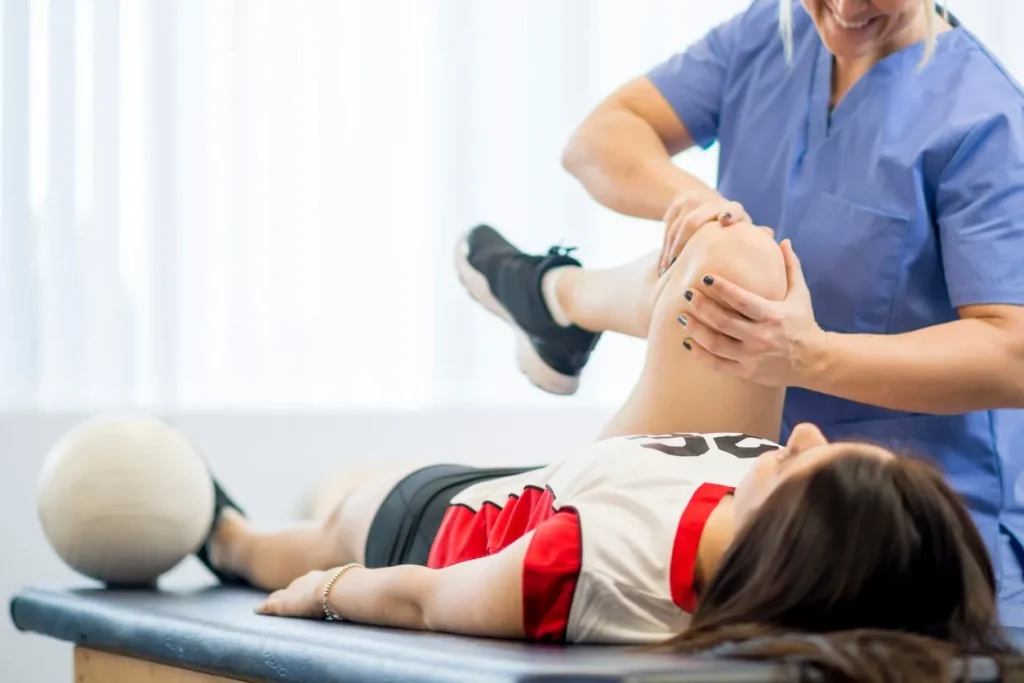
A grounded route toward competitive comebacks.
- ASSESSGrasp damage, preparation burden plus performance ambitions.
- CALMStrive toward dulling ache and restoring comfortable motion.
- REBUILDSteadily grow power.
- RETURNAim toward graduated preparation, contests plus complete sporting performance.
- MAINTAINEstablish durable power plus burden customs curbing re-injury.
Different therapist. Same treatment plan.
Your physiotherapy shouldn’t become complicated just because you visit a different clinic or see another therapist.
Physio Central connects multiple clinic locations through one shared patient record.
Your assessment notes, treatment progress and relevant exercise information can follow you across our network.
-
Multiple London locationsChoose a convenient clinic location for your physiotherapy appointment.
-
One shared patient recordYour treatment information is recorded within our shared network, helping clinicians maintain continuity
-
Greater flexibilityNeed to visit a clinic closer to work this week and another closer to home next week? Our connected network makes this easier.
-
Consistent treatment approachYour physiotherapy can continue with another clinician without having to start your story from scratch.
Near work this week. Near home next week. Your treatment follows you.
When athletic damage demands urgent emergency evaluation
Many athletic setbacks respond well to suitable clinical assistance. Certain warning signs nonetheless demand emergency review instead of standard physiotherapy booking.
Pursue immediate hospital review should you notice:
- Grave harm preventing weight-bearing, misshapen articulation or suspected bone break.
- Swiftly ballooning distension, deadness, alternatively blanched, chilled limb following trauma.
- Cranial trauma featuring blackouts, emesis, bewilderment or agonising headache.
- Chest ache, grave breathlessness or crumpling amid exertion.
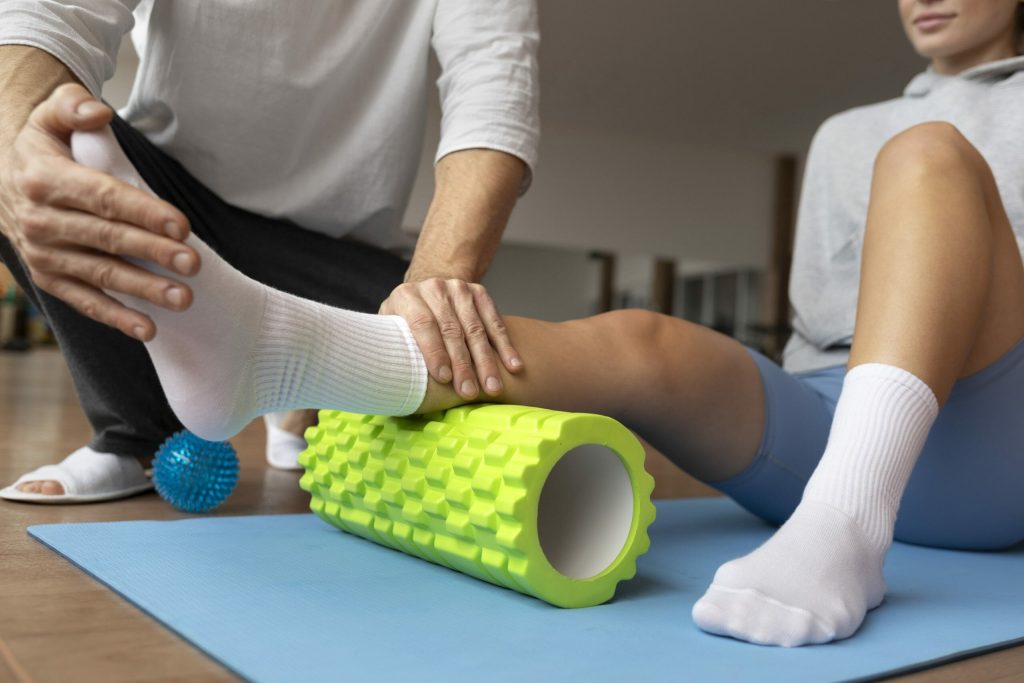
Shepherding athletes toward assured comebacks.
4.9/5
Sport-injury questions? Answered here.
Does physio mend athletic damage?
Certainly. Physiotherapy supports countless competitors through mending support, motion restoration, power rebuilding plus shepherded comebacks toward preparation and contests. Your clinician evaluates your damage and ambitions.
When may competition resume?
That hinges upon damage, gravity plus discipline demands. Your clinician establishes power and performance benchmarks — beyond mere calendar dates — supporting secure comebacks and trimming recurrence hazards.
Must athletic damage undergo imaging first?
Generally no initially. Most athletic damage can first be evaluated clinically. Imaging only follows whenever guiding treatment.
Should preparation halt entirely?
Not necessarily. Adapted preparation or alternative conditioning frequently remains feasible. Your clinician recommends continuable, pausable plus fitness-preserving options throughout mending.
What kit should I bring?
Choose athletic garments plus trainers and transport customary footwear. Where relevant, carry preparation timetables plus braces, supports or insoles in use.
How many sessions suit me?
That hinges upon damage and competitive ambitions. Minor twists may require several appointments, while tendon complaints or operative comebacks could warrant prolonged programmes.
Can recurrences be prevented?
Certainly. Your evaluation weighs earlier damage, power shortfalls, burden surges plus mechanics, alongside maintenance programmes trimming prospective hazards.
Is rehab available after athletic operations?
Physiotherapy can complement healing after athletic procedures. Yet management must respect your intervention, healing phase plus surgeon-imposed limitations.
Set for your competitive comeback?
No need to forfeit your campaign or gamble over comeback timing.
Have damage evaluated, grasp comeback benchmarks plus advance confidently alongside Physio Central.